
Single-pass dry expansion evaporators are used in chillers and refrigeration systems that cool water, glycol, or brine. Common applications include commercial air conditioning, industrial process cooling, and refrigeration. The evaporator transfers heat from the circulating secondary fluid to refrigerant boiling inside its tubes.
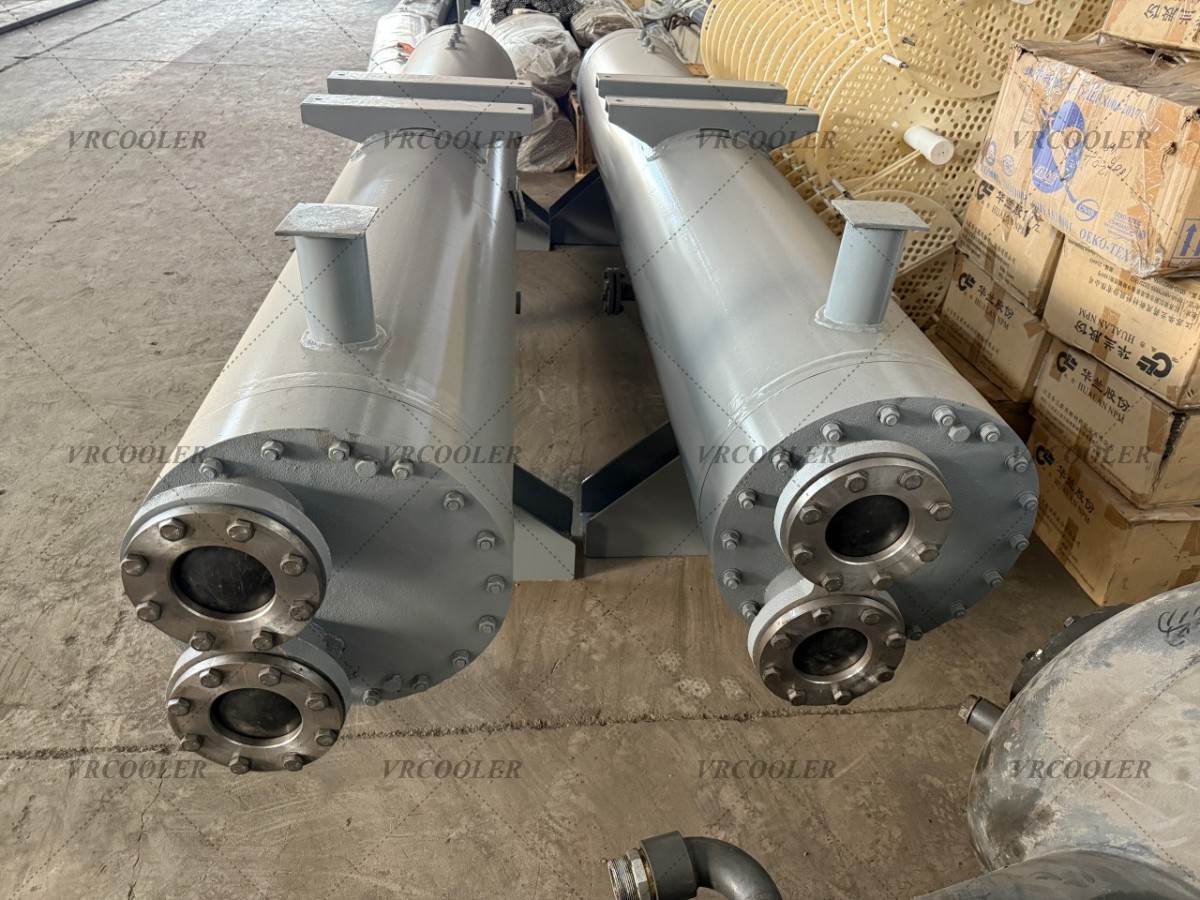
In commercial air conditioning, they produce chilled water for air-handling units, fan coils, and central cooling systems serving buildings such as offices, hotels, and shopping centers. A properly selected countercurrent design can achieve a small temperature difference between the leaving chilled water and the evaporating refrigerant, supporting efficient chiller operation.
In data centers, they can form the evaporator section of chillers supplying chilled water to cooling equipment or an intermediate cooling loop. Selection must account for the required water temperature, continuous cooling demand, and operation as the load changes. Dry expansion evaporators are commercially available for these applications.
In industrial process cooling, they chill water or glycol circulated through production equipment and process heat exchangers. This arrangement allows the refrigeration system to serve several cooling points through a secondary-fluid circuit.
For lower-temperature refrigeration, suitable models cool glycol or brine for commercial and industrial cooling duties. These applications require verification of the evaporator’s temperature limits, antifreeze concentration, fluid viscosity, and cooling capacity at the actual operating conditions.
