
A shell and tube heat exchanger for milk pasteurization provides indirect heating within a continuous dairy processing line. When configured for hygienic service, it helps bring milk to the required treatment temperature while keeping the product separate from the heating medium. Successful selection depends on thermal performance, cleanability, and integration with the complete pasteurization system.
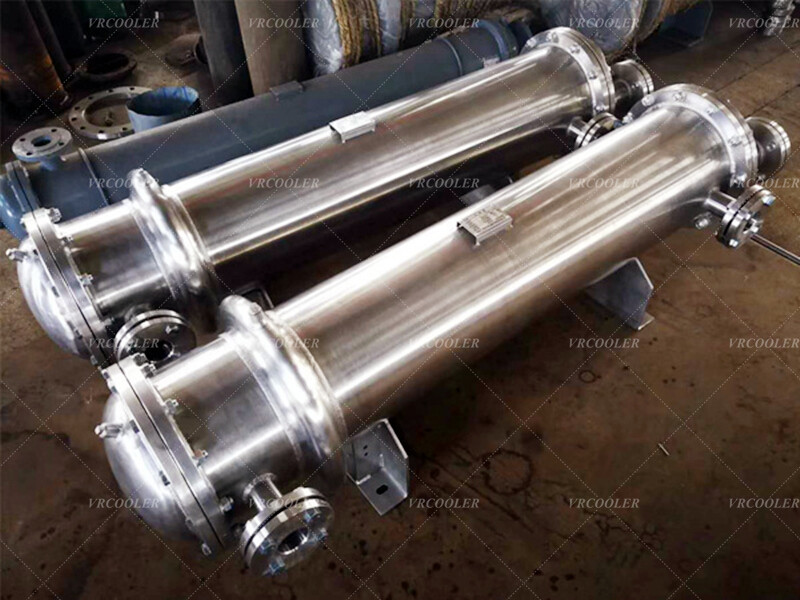
In a typical hygienic multitube arrangement, milk flows through parallel stainless steel tubes while the heating medium circulates around them inside the shell. Heat passes through the tube walls without direct mixing. Tube diameter, length, and the number of passes are selected to balance heat transfer, product velocity, and pressure drop.
A controlled hot water circuit can supply the heating section, with steam used separately to heat the circulating water. Temperature regulation adjusts the heat input as milk flow or inlet conditions change. Selecting the water temperature and heat transfer area together helps limit excessive surface temperatures while meeting the specified milk outlet temperature.
For conventional fluid milk, a commonly used high temperature short time (HTST) treatment is at least 72°C for 15 seconds. The required schedule must match the product and applicable food safety requirements. After heating, a correctly sized holding tube maintains the required exposure time. Validated flow control, temperature recording, and automatic flow diversion are essential parts of the line because outlet temperature alone does not establish adequate pasteurization.
Hygienic construction is central to the design. Surfaces that contact milk should be smooth and cleanable, with suitable stainless steel, sanitary connections, and seals compatible with the product and specified cleaning chemicals. Drainage, weld quality, and access for inspection also need attention. Material grades and surface finishes should be specified for the actual processing and cleaning conditions.
Milk proteins and mineral deposits can accumulate on heated surfaces, reducing heat transfer over a production run. The exchanger should therefore accommodate an appropriate fouling allowance and a validated cleaning in place (CIP) program. The cleaning procedure should define solution circulation, chemical concentration, temperature, contact time, and rinsing, with effectiveness verified under operating conditions.
A complete milk pasteurization line can also include regenerative heat recovery and final cooling. With an appropriate hygienic arrangement, heat from outgoing pasteurized milk can preheat incoming milk and reduce the external heating load. The cooled product then enters the refrigerated handling chain. Pressure control and separation between raw milk, pasteurized milk, and utility circuits must be considered throughout the system.
For a custom shell and tube milk heat exchanger, the design brief should include production flow rate, milk composition, inlet and target outlet temperatures, available hot water conditions, allowable pressure drop, and cleaning requirements. These inputs support selection of the tube bundle, heat transfer area, and connections. Vrcoolertech can review these operating details when preparing a heat exchanger proposal tailored to the dairy processing line.