
Shell-and-tube transfer line exchangers (TLEs) are primarily used in ethylene steam-cracking plants, where they connect to the outlets of cracking furnaces. Their role is to rapidly cool the hot cracked gas before it enters downstream quenching, compression, and product-separation equipment. This rapid cooling suppresses unwanted secondary reactions and helps preserve the desired olefin yield.
Typical applications include furnaces processing ethane, naphtha, and other hydrocarbon feedstocks. These furnaces operate in dedicated olefin plants and integrated refinery and petrochemical complexes. Feed composition affects gas properties, coke formation, and cooling requirements, so the exchanger must be selected for the specific furnace service.
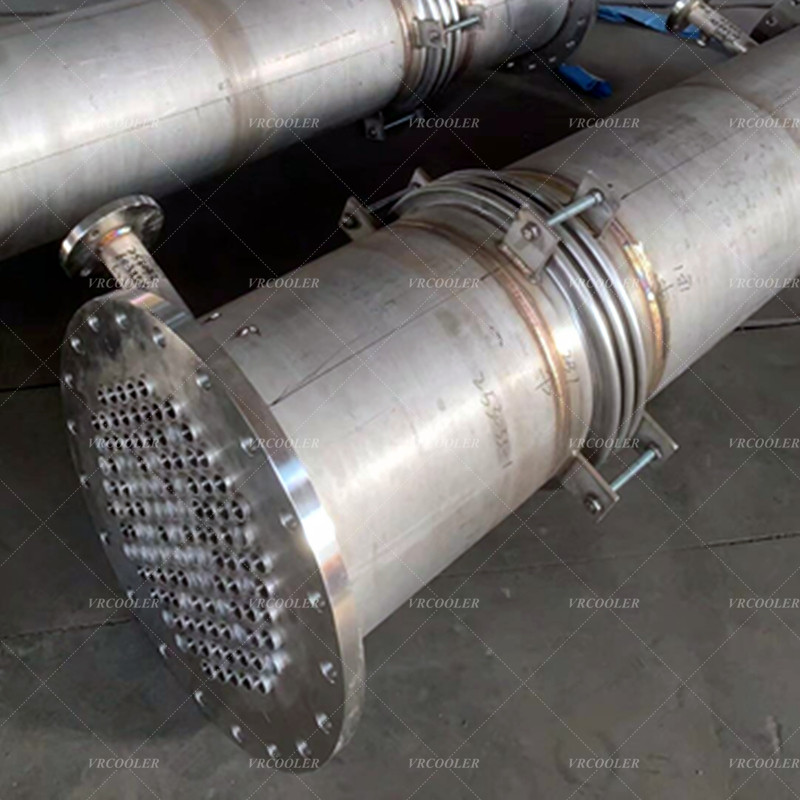
Within the quench system, one or more TLEs may connect to a steam drum through risers and downcomers. Heat recovered from the cracked gas generates high-pressure steam for plant use. Shell-and-tube units can be arranged vertically or horizontally, depending on the furnace layout, available space, and water-circulation requirements.
Reference:
BORSIG: Transfer line exchanger applications
BORSIG: Shell-and-tube TLE arrangements