
• Product Knowledge
MESSAGE
Submit
Which equipment can central freshwater cooling serve?
Time :Nov 19, 2026

A marine central freshwater cooling system can serve engines, machinery coolers, and auxiliary equipment connected to the vessel’s cooling network. Typical applications include:

Equipment or systemCooling duty
Main propulsion engineRemoves heat from the jacket-water circuit, lubricating-oil cooler, and charge-air or scavenge-air coolers.
Auxiliary diesel generatorsCools engine jacket water, lubricating oil, and charge air through the generator’s cooling arrangement.
Lubricating-oil systemsRemoves heat from oil serving engines, reduction gearboxes, stern-tube bearings, and other machinery.
Air compressorsSupplies cooling water to suitable compressor intercoolers, aftercoolers, and oil coolers.
Refrigeration and air-conditioning plantsRemoves condenser heat where the equipment is designed for freshwater cooling.
Hydraulic systemsCools oil for steering equipment, stabilizers, thrusters, winches, and other hydraulic machinery.
Water-cooled electrical equipmentCan serve alternators, propulsion motors, and frequency converters where their cooling requirements match the system.

Engine-maker guidance includes main-engine coolers, generators, and compressor loads; marine system documentation also shows refrigeration condensers, hydraulic equipment, gearboxes, and electrical equipment connected to central freshwater circuits.


The LT circuit typically supplies oil coolers, charge-air coolers, and auxiliary equipment. Engine cylinder liners and heads generally use an HT circuit, which transfers heat to the LT system through the specified cooling arrangement. 


Each connection must receive the required water temperature, flow, and pressure. For air conditioning, central freshwater normally provides condenser cooling; it does not replace the chilled-water circuit supplying the accommodation’s cooling coils.
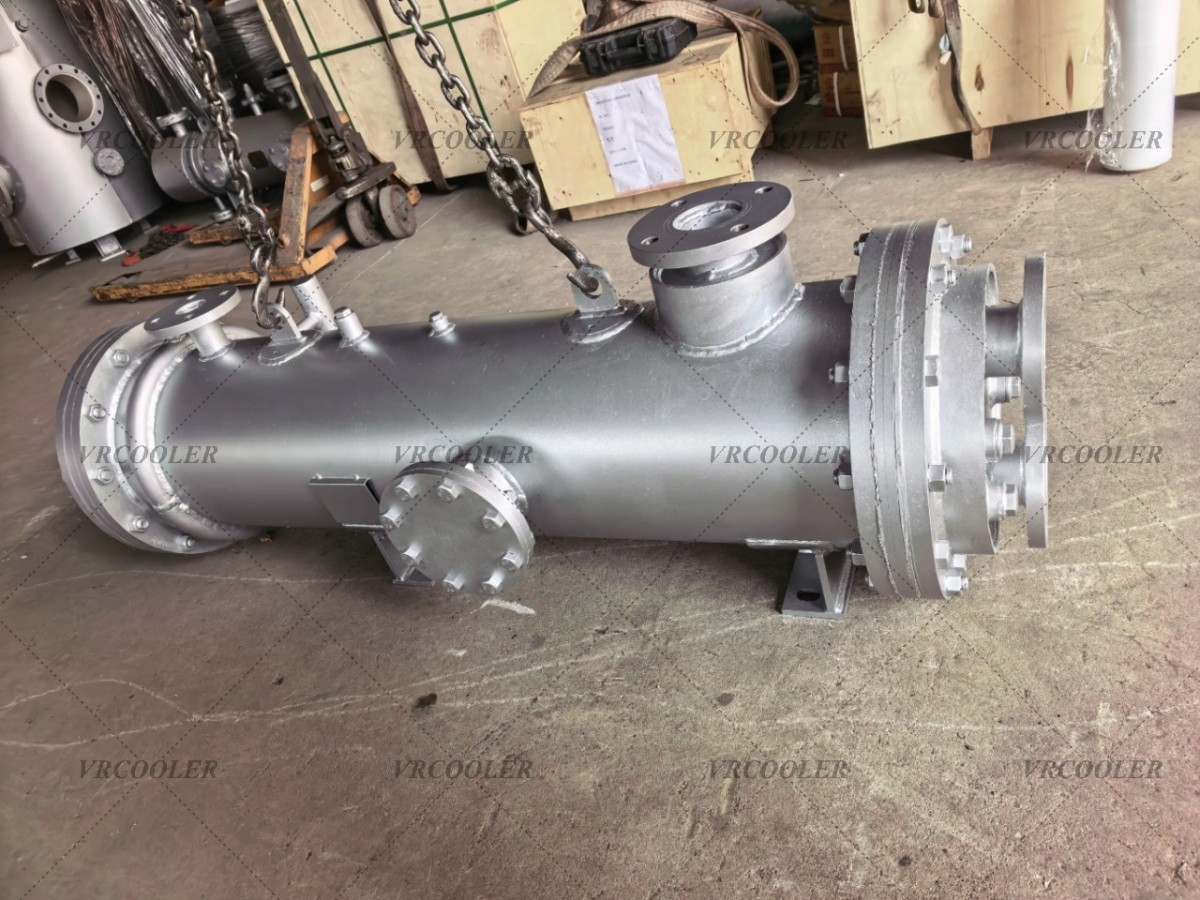

Which equipment can central freshwater cooling serve?


NEXT:The last one